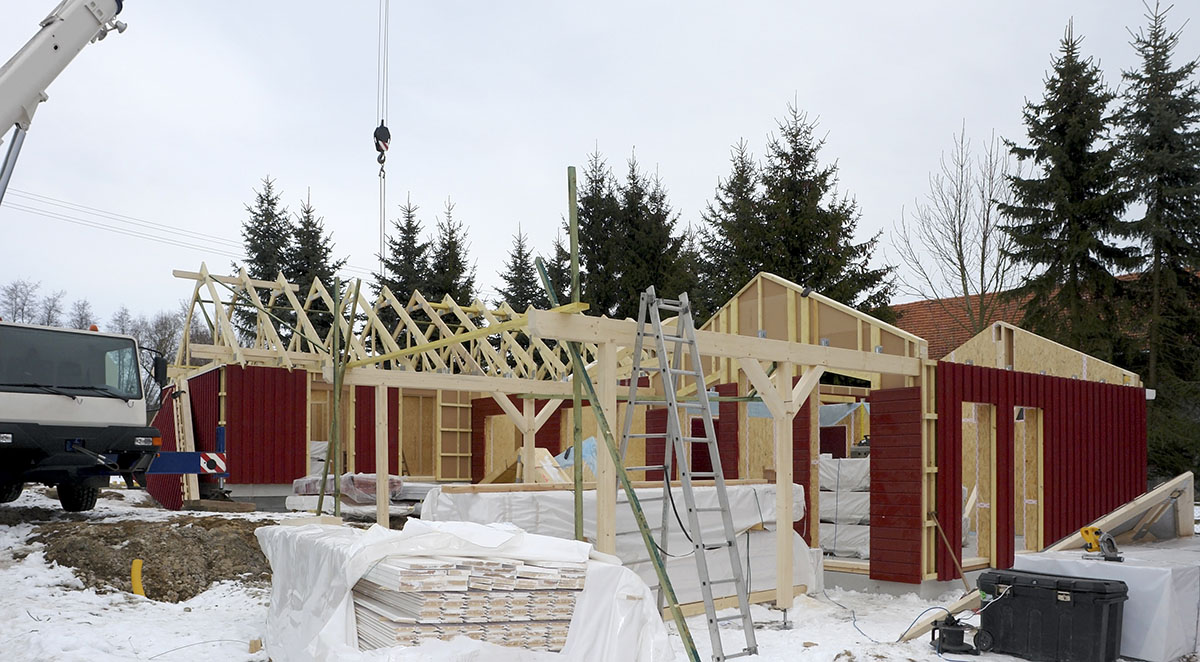
Building a new home in the mountains during winter presents unique plumbing challenges. The combination of cold temperatures, high elevation, and challenging terrain creates conditions that demand specialized knowledge and careful planning. Whether you're constructing a custom home in Black Mountain, Weaverville, or anywhere throughout western North Carolina's mountain region, understanding how to properly install plumbing systems in winter weather is essential for long-term reliability.
At Barlow Plumbing, we've spent over 25 years working on new construction projects throughout Buncombe, Henderson, and Haywood counties. We've learned that winter construction plumbing requires a different approach than work done during warmer months.
Understanding Winter Plumbing Challenges
Winter construction plumbing presents challenges that builders in lower elevations rarely face. The primary concern is freezing—water expands when it freezes, causing pipes to burst and creating significant damage before you even occupy your home. Every pipe, fitting, and valve must be installed knowing that temperatures could drop well below freezing for extended periods.
The ground in mountain regions also freezes deeper than in lowland areas. This affects where your main water line must be buried and how deep your drainage systems need to be located. Working with frozen or partially frozen ground makes excavation more difficult and can delay your construction timeline.
Read our blog about winterizing new construction plumbing for more.
How Elevation Affects Plumbing Installation
Higher elevations experience colder temperatures and lower atmospheric pressure, both of which directly impact your plumbing system's functionality. Lower atmospheric pressure affects how water flows through pipes and how drains function. Water pressure naturally decreases as elevation increases, so homes at higher elevations may experience lower water pressure.
The freeze line—the depth at which ground remains frozen year-round—is significantly deeper in mountain regions. In western North Carolina's mountains, you may need to bury water lines 3 to 4 feet deep or deeper, compared to 2 to 3 feet in lower elevations. Your drainage systems also need to be positioned below the frost line to prevent freezing and blockages.
Mountain terrain affects water supply and drainage direction. Proper grading and slope calculations are essential to ensure water flows correctly through your drainage system, particularly during winter when ice and snow add complications.
Special Considerations for Winter Installation
Mountain home plumbing during winter construction demands attention to several specific factors.
Frozen Ground and Excavation
Frozen ground makes digging difficult and expensive. When you need to excavate for water lines, sewer lines, or drainage systems, frozen soil requires special equipment and techniques. Planning your excavation work for early winter, before the ground freezes solid, can help avoid delays.
Material Brittleness
PVC pipes and certain fittings become brittle in very cold temperatures. Store all materials in a heated area until you're ready to install them. Never handle cold PVC pipes roughly, as they're more prone to damage than pipes stored at moderate temperatures.
Water Supply Line Protection
Your main water line must be installed below the frost line and properly insulated. Trenches should be dug deep enough that the pipe will be protected from freezing. Consider wrapping water lines with insulation sleeves designed for cold climates.
Drainage System Installation
Sewer lines and drainage systems must slope properly to prevent water from pooling and freezing. A slope that's marginal during normal conditions can fail in winter when ice forms inside pipes. Your sewer line should maintain a consistent downward slope of at least one-quarter inch per foot.
Septic System Considerations
If your mountain home uses a septic system, winter installation requires special care. The drain field should be positioned on sloped terrain that allows gravity to assist drainage. Your septic professional should understand mountain-specific installation requirements.
Best Practices for Protecting Your System
Install Below the Frost Line
The most critical protection is installing pipes below the frost line. In mountain communities, consult with local professionals who understand exactly how deep the frost line extends in your specific location. This depth can vary based on soil type, terrain exposure, and local weather patterns.
Use Appropriate Materials
Copper and PVC pipes both work in cold conditions when properly protected. The key is ensuring adequate insulation and burial depth. Avoid using older galvanized steel pipes, which are more prone to freezing-related failures.
Insulate Exposed Pipes
Any pipes exposed during construction or in your finished home need insulation designed for cold climates. Foam insulation sleeves, heat tape, and mineral wool wrapping all provide protection. In mountain homes where temperatures regularly drop well below freezing, don't skip this step.
Ensure Proper Drainage Slope
Every drain line must slope downward continuously toward its exit point. A level or slightly sloped drain line will trap water that freezes and blocks drainage. Your plumber should verify slopes during installation.
Protect Against Water Expansion
Water expands when it freezes, creating pressure that can burst pipes. Install expansion tanks on your water heater and ensure pipes aren't squeezed tightly in spaces where expanding ice can cause damage.
Schedule Installation Strategically
When possible, schedule your rough plumbing installation for early winter or late fall, before the coldest temperatures arrive. This gives your system time to be fully buried and protected before extreme cold sets in.
Common Mistakes to Avoid
Insufficient Burial Depth — The most common mistake is burying water lines at standard lowland depths rather than the deeper depths required in mountain regions. Always consult with local plumbing professionals about appropriate burial depths for your specific location.
Inadequate Insulation — Don't assume that a few days of construction exposure won't cause problems. Pipes exposed during construction can freeze and crack if not protected.
Poor Slope Planning — Mountain terrain complicates slope calculations, but careful attention to drainage slope is crucial. A drain line that slopes inadequately will accumulate water and freeze.
Using Inappropriate Materials — Choose plumbing materials based on cold-climate suitability rather than cost alone. Some lower-cost options perform poorly in extreme cold.
Failing to Account for Ground Movement — Mountain terrain and freeze-thaw cycles cause ground movement that stresses plumbing systems. Pipes need flexible connections and proper support to accommodate this movement.
Inadequate Venting — Sewer lines need proper venting to function correctly, and this is even more critical in winter. Vent pipes can ice over if not properly designed and positioned.
Consider what we learned from major hurricanes such as Hurricane Helene when planning your new construction plumbing system.
Tips for Ensuring Proper Insulation
Wrap All Exposed Pipes — Use foam insulation sleeves on any pipes exposed to freezing temperatures. For mountain homes where temperatures regularly drop well below freezing, use thicker options designed for cold climates.
Insulate Around Penetrations — Where pipes enter your home or pass through exterior walls, insulate thoroughly around the pipe penetrations. Use spray foam insulation rated for cold climates, then cover it with insulation jackets.
Heat Tape as Backup Protection — Self-regulating heat tape provides additional protection for pipes in extremely vulnerable locations. Install it on pipes that experience the most exposure to cold.
Protect Water Heater Connections — The connections from your water heater to supply lines are particularly vulnerable. Insulate both hot and cold water lines with extra care.
Create Thermal Barriers — Where pipes run through unheated spaces like crawlspaces or attics, create thermal barriers to protect them. Insulation blankets or enclosing the space can help maintain slightly warmer temperatures around pipes.
Working With Experienced Professionals
Winter construction plumbing in mountain homes requires professionals who understand how elevation, cold temperatures, and mountain terrain affect plumbing system installation. At Barlow Plumbing, our 25+ years of experience includes countless new construction projects throughout western North Carolina's mountain communities. We understand the specific challenges of your region and how to design and install plumbing systems that will serve your home reliably.
When selecting your plumber for new construction, ask about their experience with winter installation specifically. Ask how they account for elevation in their designs. A plumber who can explain their methodology and answer your questions confidently is someone you can trust.
Conclusion
Building a home in the mountains during winter requires patience, planning, and professional expertise. The extra care you invest in winter plumbing installation pays dividends through years of trouble-free service. When you're ready to discuss your new construction plumbing needs, contact Barlow Plumbing to speak with professionals who understand mountain home plumbing in detail.
Frequently Asked Questions
How deep should water lines be buried in mountain homes?
Water lines in mountain communities typically need to be buried 3 to 4 feet deep or deeper, depending on the specific frost line depth in your location. This is deeper than standard lowland installations because mountain regions experience colder ground temperatures.
Can I install plumbing in mountain homes during winter?
Yes, but it requires special planning and protection measures. Pipes must be installed below the frost line immediately and protected from freezing during the construction process. Working with experienced professionals is essential.
What materials are best for cold-weather plumbing installation?
Copper and PVC pipes both work well in cold climates when properly protected. The key is ensuring adequate insulation and burial depth rather than the material choice alone.
How does elevation affect water pressure in new homes?
Higher elevation generally results in lower water pressure from municipal supplies. Your plumber should test water pressure and design your system accordingly.
What's the best way to protect exposed pipes during construction?
Use foam insulation sleeves and keep all materials in heated storage until installation. Immediately after rough-in, wrap exposed pipes with additional insulation. Never leave pipes unprotected.
Do I need a professional to install plumbing in my mountain home?
Absolutely. Mountain home plumbing requires professional expertise to account for elevation, frost depth, terrain, and winter conditions. Professional installation protects your investment and ensures reliable function.