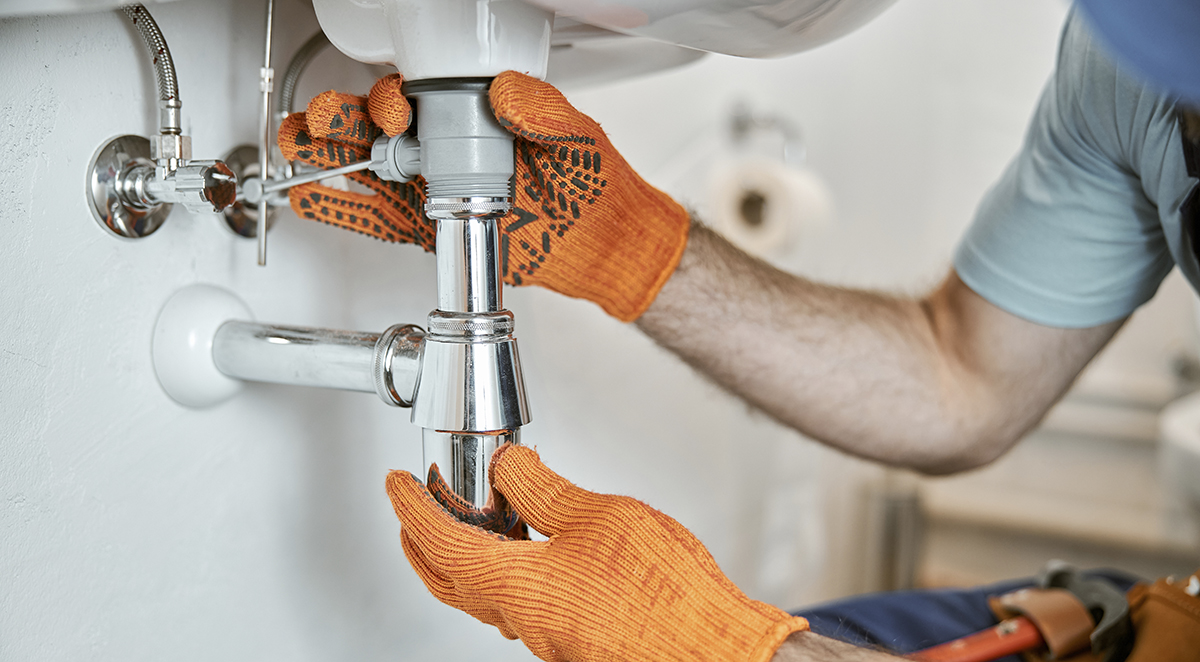
Winter in Western North Carolina can be tough on your home, and your plumbing is no exception. Months of heavy indoor use, holiday cooking, and freezing temperatures take a real toll on your drain lines. As the weather finally breaks and spring settles into the mountains, most homeowners are thinking about yard work and spring cleaning. Your drains deserve the same attention.
Spring is the sweet spot for professional drain cleaning. The ground is thawing, temperatures are stabilizing, and you have the chance to catch small problems before they turn into major headaches during the rainy summer months. Whether you've noticed a sluggish kitchen sink or just want to stay ahead of trouble, there's no better time to get your lines cleared than right now.
Quick Summary:
- Winter puts extra stress on drain lines through heavy use, grease buildup, and root intrusion
- Spring is the ideal time to address drain issues before summer rains make them worse
- Slow drains, gurgling sounds, and recurring clogs are signs you need professional cleaning
- Professional drain cleaning goes far beyond what store-bought solutions can accomplish
- Simple year-round habits can help keep your drains flowing between professional visits
What Happens to Your Drains Over Winter
During the colder months, your drains absorb more punishment than most homeowners realize. Indoor activity increases dramatically when it's cold outside, which means your kitchen and bathroom drains are handling a heavier load day after day. Think about all the holiday meals, the extra guests, and the increased shower use when no one wants to step outside.
Grease is one of the biggest culprits. It may go down the drain as a warm liquid, but it cools and solidifies inside your pipes, gradually narrowing the passage and trapping other debris along the way. Combine that with soap residue, hair, and food particles, and you've got the recipe for a slow or fully blocked drain by the time spring arrives.
Below the surface, tree roots are another concern that many homeowners overlook. Roots are drawn to the moisture in your sewer lines, and they don't stop growing just because it's winter. In fact, roots that found their way into small cracks or joints during the fall often continue to expand throughout the cold months. By spring, what started as a minor intrusion can become a serious blockage.
Why Spring Is the Ideal Time for Drain Cleaning
There are several practical reasons why spring is the best season to schedule professional drain cleaning.
First, you're getting ahead of the problem. Western North Carolina's summer storms bring heavy rain that puts additional pressure on your drainage system. If your lines are already partially blocked from winter buildup, that extra water volume can push a slow drain into a full backup. Clearing your lines in spring gives your system the capacity it needs to handle whatever summer throws at it.
Second, the weather works in your favor. Frozen ground and extreme cold can make accessing outdoor cleanouts and sewer lines more difficult during winter. Spring temperatures make the process smoother and allow your plumber to do a more thorough job, especially if any exterior work is involved.
Third, it's a proactive approach rather than a reactive one. Scheduling drain cleaning on your terms is always better than dealing with a backup when you least expect it. A planned service call is quicker, less stressful, and typically less expensive than addressing a problem that has already escalated.
Finally, spring drain cleaning pairs naturally with other seasonal home maintenance. If you're already thinking about your water heater, outdoor plumbing, and general upkeep, adding drain cleaning to the list makes sense.
Signs Your Drains Need Professional Attention
Sometimes the signs are obvious, and sometimes they're easy to ignore. Here are the most common indicators that your drains need more than a plunger.
Slow Drains
Water pooling in your sink, shower, or tub is the most common early warning sign. A single slow drain might be a localized clog, but multiple slow drains throughout the house usually point to a deeper issue in your main line.
Gurgling Sounds
If you hear bubbling or gurgling when water is draining, that's air being trapped and displaced by a partial blockage. It's your plumbing's way of telling you something is in the way.
Recurring Clogs
Clearing the same drain over and over again means the real blockage is further down the line than you can reach with household tools. The clog you're clearing is just the symptom, not the cause.
Unpleasant Odors
Persistent smells coming from your drains suggest buildup of organic material that's decomposing inside your pipes. This is more than a nuisance: it can indicate a significant accumulation that needs professional removal.
Multiple Fixtures Backing Up
When flushing a toilet causes water to gurgle in a nearby sink, or when running your washing machine causes a backup in your shower, your main sewer line is likely involved.
If you're experiencing any of these issues, it's worth having a professional take a look. Contact Barlow Plumbing to schedule a drain cleaning before a small annoyance becomes a bigger problem.
What Professional Drain Cleaning Actually Involves
There's a significant difference between pouring a bottle of drain cleaner down your sink and having a professional clean your lines. When Barlow Plumbing performs a drain cleaning, the goal isn't just to punch through a clog: it's to thoroughly clear the line so it stays open.
Professional plumbers use specialized equipment that homeowners simply don't have access to. Mechanical drain snakes can reach deep into your plumbing system to break apart tough blockages that household tools can't touch. For more stubborn situations, professional-grade equipment can clear grease, scale, and root intrusions that have built up over months or even years.
A professional also brings diagnostic expertise. Sometimes what looks like a simple drain clog is actually a sign of a bigger issue, such as a damaged sewer line or a section of pipe that has shifted or collapsed. An experienced plumber can identify these underlying problems during a drain cleaning and let you know what you're dealing with before it gets worse.
The process itself is straightforward. Your plumber will identify the best access point, run the appropriate equipment through the line, and clear the blockage. Most residential drain cleanings can be completed in a single visit, and you'll notice an immediate improvement in how your drains perform.
DIY vs. Professional Drain Cleaning
There's nothing wrong with handling basic drain maintenance yourself when appropriate. A plunger is a perfectly good tool for a minor toilet clog, and a simple drain screen can prevent a lot of hair and food debris from entering your pipes in the first place.
However, there's a line between basic maintenance and the kind of cleaning that actually protects your plumbing system. Here's a practical way to think about it.
What Homeowners Can Handle
Using a plunger on a single clogged fixture, removing visible debris from drain covers, flushing drains with hot water periodically, and using drain screens to catch hair and food particles are all reasonable DIY tasks. These habits help maintain your drains between professional visits and can prevent minor clogs from forming.
When to Call a Professional
Recurring clogs in the same drain, multiple drains running slowly at the same time, any backup involving your main sewer line, persistent odors that won't go away, and any situation where a plunger or basic tools aren't resolving the problem all warrant a call to a licensed plumber.
A Note About Chemical Drain Cleaners
Most plumbers will advise against chemical drain cleaners. These products can provide a temporary fix, but the harsh chemicals can corrode your pipes over time, especially in older homes. They also tend to only dissolve part of a clog, which means the problem returns. In some cases, chemical cleaners can make the situation worse by creating a toxic hazard for the plumber who eventually needs to address the real issue.
Protecting Your Drains Year-Round
Once your drains are professionally cleaned, a few simple habits can keep them flowing smoothly between service visits.
In the Kitchen
Never pour grease, oil, or fat down the drain. Let it cool and dispose of it in the trash. Use a drain screen to catch food particles, and run hot water for 30 seconds after using the garbage disposal.
In the Bathroom
Use drain covers to catch hair in showers and tubs. Avoid flushing anything other than toilet paper, and be mindful of how much soap and product residue goes down the drain.
Throughout the House
Run water through infrequently used drains at least once a month to prevent the P-trap from drying out, which can allow sewer gases to enter your home. Periodically flush drains with hot water to help break up early-stage buildup.
Outdoors
Keep an eye on trees and large shrubs planted near your sewer line. Root intrusion is one of the most common causes of main line blockages, and mature trees with aggressive root systems can cause significant damage over time.
Frequently Asked Questions
How often should I have my drains professionally cleaned?
For most Western NC homes, an annual professional drain cleaning is a good baseline. If your home is older, has large trees near the sewer line, or you've had recurring drain issues in the past, you may benefit from scheduling service every six months. Your plumber can recommend the right frequency based on your specific situation.
What causes drains to clog the most?
The most common causes are grease and fat buildup in kitchen lines, hair and soap residue in bathroom drains, and tree root intrusion in main sewer lines. In older Asheville-area homes, deteriorating pipe materials can also contribute to frequent clogs by creating rough interior surfaces where debris catches and accumulates.
Can I use chemical drain cleaners safely?
While chemical drain cleaners are readily available, most plumbing professionals recommend against regular use. These products contain harsh chemicals that can corrode pipes, particularly in older plumbing systems. They also tend to provide only a temporary fix and can create safety hazards. For persistent clogs, professional cleaning is the more effective and safer long-term solution.
Keep Your Drains Flowing This Spring
Your drains work hard for you every single day, and spring is the perfect time to return the favor. Whether you're dealing with a stubborn slow drain or simply want to stay ahead of potential problems, professional drain cleaning is one of the smartest investments you can make in your home's plumbing system.
Barlow Plumbing has been keeping WNC drains clear for over 25 years. If it's time to get your lines cleaned this spring, give us a call or reach out online to schedule your service.