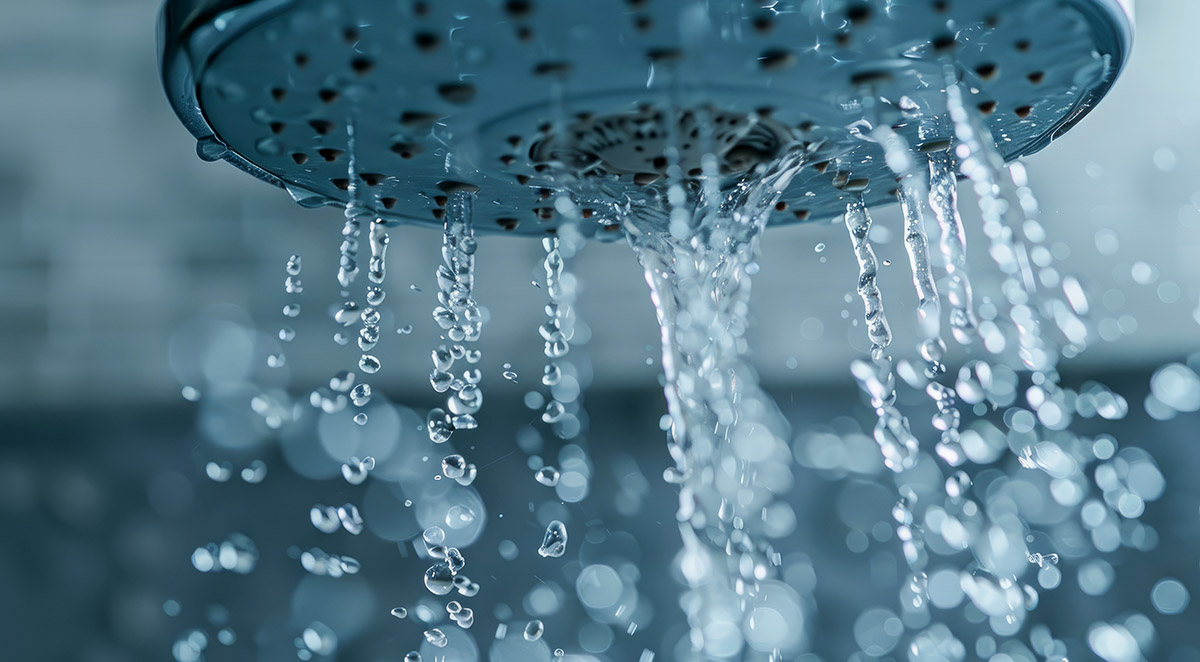
Few things disrupt a morning routine like a shower that trickles instead of flows, or a kitchen faucet that struggles to fill a pot. Water pressure problems are among the most common complaints we hear from homeowners, and they rarely fix themselves.
The good news is that most pressure issues are identifiable and fixable once you understand what is causing them. At Barlow Plumbing Service, we have spent more than 25 years diagnosing water pressure problems in homes throughout Asheville, Black Mountain, Weaverville, and the surrounding mountain communities. This guide walks you through the most common low water pressure causes, what high pressure can do to your home, and the solutions that bring your system back to a reliable flow.
Quick Summary
- Low water pressure in WNC homes is often caused by mineral buildup, corroded pipes, main line issues, or failing fixtures and valves.
- High water pressure is just as harmful as low pressure and can quietly damage pipes, joints, and appliances over time.
- Hard water and aging pipe materials are especially common contributors in older Asheville-area homes.
- A few simple checks can help you narrow down the source before calling a professional.
- A licensed water pressure plumber in Asheville NC can pinpoint the exact cause and recommend a lasting water pressure fix.
What Normal Water Pressure Looks Like
Most residential plumbing systems are designed to operate between 40 and 60 pounds per square inch (psi). Anything below that range tends to feel weak at the tap, while pressure climbing past 80 psi puts unnecessary stress on your pipes and fixtures. Many local building standards cap residential pressure at 80 psi for that reason. You do not need a gauge to suspect a problem: if your shower feels weaker than it used to, your washing machine takes longer to fill, or running two fixtures at once causes a noticeable drop, your pressure is likely outside the comfortable range.
Common Causes of Low Water Pressure
Low pressure is the complaint we field most often, and the source can sit anywhere between the municipal supply line and the aerator on your faucet. Understanding the usual suspects helps you describe the issue clearly and helps us solve it faster.
Mineral Buildup From Hard Water
Hard water means your supply carries a relatively high amount of dissolved minerals, and much of Western North Carolina deals with it. Over time, those minerals build up inside your pipes and fixtures, gradually narrowing the path that water travels through. The result is a slow, steady decline in flow that many homeowners do not notice until it becomes severe.
Mineral deposits also collect in faucet aerators, showerheads, and valve seats, and they can corrode joints and fittings along the way. Addressing hard water at the source protects your entire system, and our water filtration systems reduce that mineral load before it has a chance to settle inside your plumbing.
Corroded or Aging Pipes
Pipe material has a direct effect on both lifespan and water flow. Galvanized steel and brass pipes can last 80 to 100 years, copper typically lasts 70 to 80 years, and PVC generally lasts 24 to 40 years. As metal pipes age, corrosion and scale accumulate on the inside walls, shrinking the interior diameter and choking off flow throughout the house.
If your home was built decades ago and still has its original supply lines, aging pipes may be the root of your trouble. This is especially common in historic properties, several of which we cover in our overview of hidden plumbing issues in historic Asheville homes. When corrosion is widespread, home repiping often delivers the most dependable, long-term improvement.
Concult our guide to house repiping if it comes to that.
A Problem With the Main Water Line
Sometimes the issue lives outside your walls entirely. The main line that carries water from the street or your well into the home can develop leaks, blockages, or partial collapses that reduce pressure everywhere downstream. A buried problem like this is easy to overlook because nothing inside the home looks obviously wrong.
Clues that point to the main line include low pressure at every fixture at once, unexplained spikes in your water bill, or wet, unusually green patches in the yard. When the supply line is compromised, professional water line installation restores both pressure and peace of mind.
Faulty Fixtures and Valves
Not every pressure problem is whole-house. If a single sink or shower underperforms while the rest of the home runs fine, the culprit is usually local. Clogged aerators, scaled showerheads, or a partially closed shutoff valve can all restrict flow at one point without affecting anything else.
Worn or improperly set fixture valves are another frequent offender, throttling pressure or causing inconsistent flow when they fail. Our team handles bathroom fixture valve installation and repair to get individual fixtures performing the way they should.
Seasonal and Elevation Factors
Living in the mountains comes with its own plumbing realities. Elevation changes affect how water moves through a home, and properties higher up a slope sometimes contend with naturally lower pressure than homes in the valleys.
Winter adds another layer. A frozen or partially frozen pipe can dramatically reduce or completely cut off flow, often showing up first as low pressure before the situation worsens. If a sudden cold-weather pressure drop has you concerned, our frozen water line repair service addresses the problem before a freeze turns into a burst.
When Water Pressure Is Too High
Low pressure gets the attention, but high pressure is the quieter and arguably more damaging problem. When pressure climbs too high, it places constant stress on pipe joints, fittings, and the seals inside your appliances. Over time that strain can lead to leaks, premature appliance failure, and pipes that wear out years ahead of schedule.
High pressure often hides in plain sight because strong flow feels like a good thing. Signs to watch for include banging or hammering pipes, frequently failing fixtures, and running toilets. If you suspect your pressure runs hot, it is worth having it measured, because Barlow Plumbing can adjust your home's water pressure to bring it back into a safe range.
How to Diagnose the Source of the Problem
Before you call anyone, a few quick observations can help you and your plumber zero in on the cause. Gathering this information speeds up the visit and often shapes the most efficient water pressure fix.
- Check whether the problem is whole-house or isolated. If only one fixture is weak, the issue is likely local; if everything is weak, the cause is probably upstream.
- Inspect aerators and showerheads for mineral debris, one of the simplest issues to spot and clean.
- Note hot versus cold. If only the hot side is weak, the problem may relate to your water heater rather than your supply lines.
- Watch for sudden versus gradual change. A slow decline often points to buildup or corrosion, while a sudden drop suggests a leak, a frozen line, or a valve issue.
- Look outside for soggy spots in the yard or a spiking water bill, which can signal a main line problem.
These checks will not always reveal the full picture, but they give your plumber valuable clues. When the cause is not obvious or the fix involves your pipes, a professional inspection is the safest next step.
Professional Solutions for Water Pressure Problems
Once the source is identified, the right solution depends on what is actually happening inside your system. There is no single fix that solves every pressure complaint, which is why an accurate diagnosis matters so much.
Depending on the cause, a lasting solution might involve replacing scaled and corroded pipes through repiping, installing water treatment to control the hard water that drives mineral buildup, repairing a damaged supply line, servicing failing fixtures and valves, or adjusting pressure that runs too high or too low. The work of a skilled water pressure plumber in Asheville NC is matching the right repair to the real cause so the problem stays solved. You can learn more about our team on our about page. If you live in an older home, consult our blog about plumbing issues in historic Asheville homes.
Why WNC Homes Are Especially Prone to Pressure Issues
Western North Carolina combines conditions that make water pressure problems more likely than in many other regions. Hard water is widespread, the housing stock includes many older homes with original metal piping, and mountainous terrain introduces elevation and freeze considerations that flatter, milder regions never face.
That mix means a pressure problem here often has more than one contributing factor. A historic home might combine aging galvanized pipes with heavy mineral buildup and a high-elevation lot. Working with a local team that understands these regional realities helps ensure the diagnosis accounts for everything affecting your property.
Frequently Asked Questions
Why does my water pressure drop only when I use multiple fixtures at once?
This usually points to a supply limitation, often from corroded or narrowed pipes that cannot deliver enough volume to serve two demands at once. Mineral buildup inside aging lines is a common culprit, and a plumber can measure your flow rate to determine the right fix.
Can hard water really cause low water pressure?
Yes. The minerals in hard water gradually accumulate inside pipes, fixtures, and valves, slowly restricting the path water travels through. Over months and years this buildup can noticeably reduce flow, and treating the water at its source helps protect your whole system.
Is high water pressure something I should worry about?
It is. Pressure that climbs much above 80 psi stresses pipes, joints, and appliances, leading to leaks and early failures that often cost far more than the original adjustment would have. Hammering pipes or fixtures that fail repeatedly are signs worth investigating.
Will repiping improve my water pressure?
In homes where corroded or scaled pipes are the cause, repiping can make a dramatic difference because it replaces the narrowed lines that are choking off flow. Whether it is the right solution depends on a proper inspection. Reach out through our contact page and we can evaluate your system.
Restore Your Home's Water Pressure
Water pressure problems are frustrating, but they are also solvable once you understand what is driving them. From hard water and aging pipes to main line trouble and seasonal freezes, the causes common to WNC homes each have a clear, lasting solution. The key is an accurate diagnosis from someone who knows the region and the systems behind these homes.
If weak, erratic, or excessive water pressure has you reaching for a wrench, let the experienced team at Barlow Plumbing Service take a look. We have served Asheville, Black Mountain, Weaverville, and the wider Buncombe County area for more than two decades, and we stand behind our work with a commitment to 100 percent satisfaction. Reach out through our contact page to request an estimate and get your water flowing the way it should.