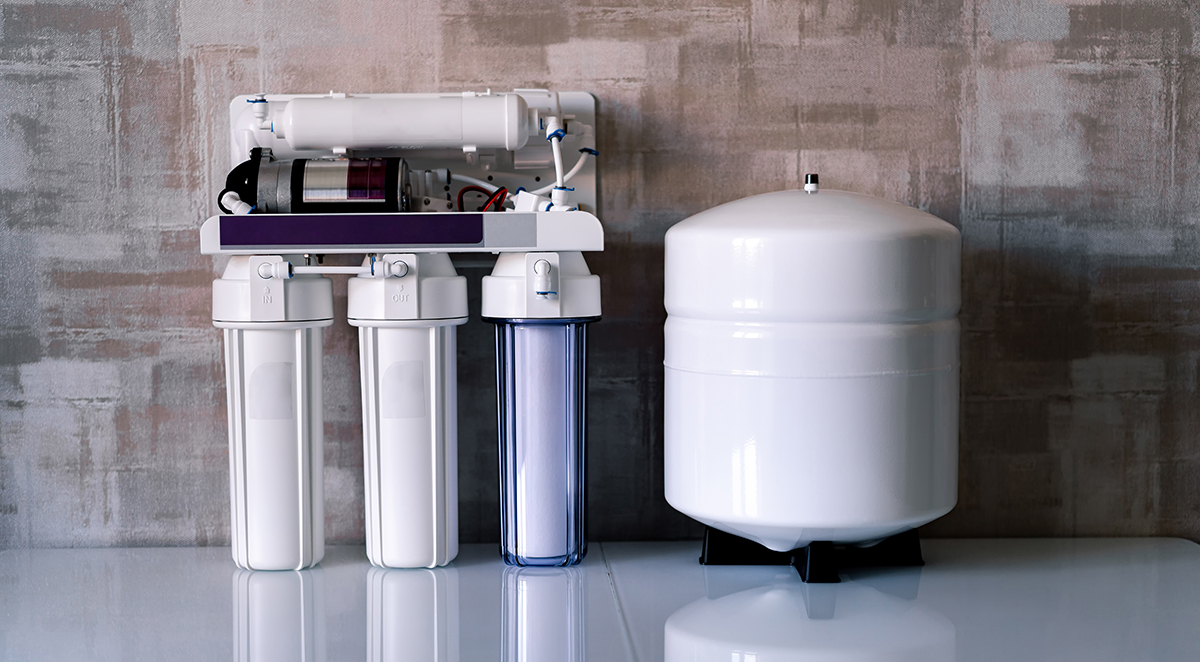
The water flowing through your home touches every part of daily life. You drink it, cook with it, bathe in it, and use it to wash your clothes and dishes. But how often do you stop to think about what might actually be in that water before it reaches your glass or your showerhead?
For homeowners in western North Carolina, water quality deserves more attention than it typically gets. Whether your home is connected to a municipal water supply or relies on a private well, a whole-house water filtration system can make a meaningful difference for your family. Understanding how these systems work, what they filter, and why they matter is the first step toward making an informed decision.
Quick Summary
- A whole-house water filtration system filters all the water entering your home at the main supply line, not just water at a single faucet.
- Well water in the western North Carolina mountains often contains minerals, sediment, and hard water compounds that affect taste, plumbing, and appliance performance.
- Filtration can improve drinking water taste, reduce sediment buildup in pipes, and extend the life of your plumbing system and water-using appliances.
- Professional installation ensures the system is properly sized and connected to handle your household's water demands.
- Point-of-use filters handle a single tap, while whole-house systems treat every drop of water in your home.
What Is a Whole-House Water Filtration System?
A whole-house water filtration system is installed at the point where your main water line enters your home. Unlike point-of-use filters that treat water at a single location (such as a kitchen sink faucet), a whole-house system filters all of the water used throughout your entire home. That means every faucet, shower, toilet, washing machine, and dishwasher receives filtered water.
These systems typically use a combination of filtration methods to address different contaminants. The specific configuration depends on what is present in your water supply and what your household needs.
Why Water Quality Matters in Western North Carolina
Homeowners across the Asheville area and surrounding mountain communities face some unique water quality considerations. The region's geology, aging infrastructure, and prevalence of private well systems all play a role.
Municipal Water Concerns
Even if your home is connected to a city or county water supply, that water has traveled through miles of pipes before reaching your faucet. Municipal treatment removes many contaminants, but the water can still pick up minerals, sediment, and trace impurities along the way. Many homeowners notice differences in taste or smell that indicate their water could benefit from additional filtration.
Well Water Challenges
Many homes in the rural areas surrounding Asheville, including communities in Buncombe, Henderson, and Haywood counties, rely on private wells for their water. Well water is not treated by a municipal facility, which means the homeowner is responsible for the quality of their water supply.
Hard water is one of the most common issues found with well water in the region. Hard water contains high levels of dissolved minerals, primarily calcium and magnesium. While not typically a health risk, hard water can cause significant problems for your plumbing over time. It can also affect the taste and appearance of your drinking water.
Signs Your Home Could Benefit from Water Filtration
Not sure if your home needs a water filtration system? Here are some common indicators:
- Your drinking water has an unusual taste or odor
- You notice white, chalky buildup on faucets, showerheads, or around drains
- Your water appears cloudy, sandy, or discolored
- Soap and shampoo do not lather well
- Clothes come out of the wash feeling stiff or looking dull
- You see sediment collecting at the bottom of your toilet tank
- Your water-using appliances, such as your water heater, seem to lose efficiency over time
- Dishes and glassware show spots or film after washing
If you are experiencing any of these issues, it is worth having a plumber evaluate your water quality and discuss whether a water filtration system is the right solution.
How Whole-House Filtration Protects Your Plumbing
One of the most important benefits of water filtration is the protection it provides to your home's plumbing system. Unfiltered water, especially hard water or water with high sediment content, puts constant stress on pipes, joints, and fixtures.
Reducing Sediment Buildup
Sediment and mineral deposits accumulate inside pipes over time, gradually reducing water flow and increasing pressure on plumbing connections. This buildup can eventually lead to the need for repairs or even whole-house repiping. By filtering out sediment before it enters your plumbing, a whole-house system helps keep pipes clear and functioning properly.
Extending Appliance Life
Your water heater is one of the hardest-working appliances in your home and one of the most affected by poor water quality. Sediment and mineral deposits can settle in the bottom of your water heater tank, forcing the unit to work harder and reducing its overall lifespan. Filtered water puts less strain on your water heater and other water-using appliances, helping them last longer and run more efficiently.
Protecting Fixtures and Valves
Hard water and mineral-rich water take a toll on bathroom and kitchen fixtures over time. Mineral deposits can corrode valve seats, damage seals, and leave unsightly buildup on faucets and showerheads. Filtering your water at the source helps preserve the finish and function of your fixtures.
Whole-House vs. Point-of-Use Filtration: What Is the Difference?
When considering water filtration, homeowners generally have two options: a whole-house system or a point-of-use system. Understanding the difference will help you determine which approach makes sense for your home.
Point-of-Use Systems
A point-of-use filter is installed at a single location, such as under the kitchen sink. It provides filtered water at that one tap, which is useful if your primary concern is improving the taste of your drinking water. However, it does nothing for the water used in your showers, laundry, or other parts of the house.
Whole-House Systems
A whole-house system treats all of the water entering your home at the main supply line. Every faucet and appliance benefits from filtration. For homeowners dealing with hard water, high sediment, or other concerns that affect the entire home, a whole-house system offers the most comprehensive solution.
Some homeowners find that a combination of both approaches works best, using a whole-house system for overall water quality and a point-of-use filter at the kitchen sink for an extra level of drinking water filtration.
What Does Professional Installation Involve?
Installing a whole-house water filtration system is not a weekend DIY project. It involves working with your main water line, which requires professional plumbing knowledge to ensure everything is connected properly, sized correctly, and up to code.
A professional installation typically involves:
- Evaluating your current water quality and identifying specific contaminants or issues
- Recommending a system that is properly sized for your household's water usage
- Installing the system at the main water line entry point
- Testing the system to confirm it is filtering effectively
- Providing guidance on filter replacement schedules and basic maintenance
Working with an experienced local plumber ensures that your system is installed correctly the first time. Barlow Plumbing has more than 25 years of experience serving homeowners across Asheville, Black Mountain, Weaverville, and surrounding communities. Our team can help you evaluate your water quality and determine the best filtration solution for your home.
Maintenance and Upkeep
Like any system in your home, a water filtration system requires regular maintenance to keep performing at its best. Most whole-house systems use replaceable filter cartridges that need to be changed on a set schedule, typically every few months depending on water usage and the specific contaminants being filtered.
Neglecting filter replacement can actually make water quality worse, as clogged or expired filters lose their effectiveness. Your plumber can advise you on the right maintenance schedule for your specific system and water conditions.
Frequently Asked Questions
How long does a whole-house water filtration system last?
The system itself can last for many years with proper maintenance. The key is keeping up with regular filter replacements, which are typically needed every three to six months depending on your water usage and quality. The housing unit and connections are durable, but filters are the component that requires ongoing attention.
Is a water filtration system worth it if I am on city water?
Yes. Municipal water treatment does a good job of making water safe to drink, but it does not remove everything. Minerals, sediment, and trace impurities can still be present. A filtration system can improve the taste, smell, and overall quality of your water while also protecting your plumbing and appliances.
How do I know what is in my water?
A professional water quality assessment is the best place to start. Your plumber can test your water to identify specific contaminants and mineral levels, which helps determine the right type of filtration for your home. If you are on a private well, regular testing is especially important since well water is not monitored by a municipal facility.
Can I install a water filtration system myself?
While some point-of-use filters are designed for homeowner installation, a whole-house system involves connecting to your main water supply line. This work requires professional plumbing expertise to ensure proper installation, adequate water flow, and code compliance.
Will a whole-house filter fix hard water?
Standard filtration systems are excellent at removing sediment, chlorine, and many other impurities. Addressing hard water specifically often requires a water softener or a specialized system designed to reduce mineral content. A professional evaluation of your water will help determine the right approach.
Take the Next Step for Better Water Quality
Your home's water quality affects your family's comfort, your plumbing system's health, and the longevity of your appliances. Whether you are dealing with hard well water, noticeable sediment, or simply want better-tasting water, a whole-house water filtration system is a smart investment.
Barlow Plumbing Service, Inc. has been helping homeowners across western North Carolina with their plumbing needs for over 25 years. If you are ready to explore water filtration options, contact us today to schedule a consultation. Our experienced team will assess your water quality and recommend the right solution for your household.