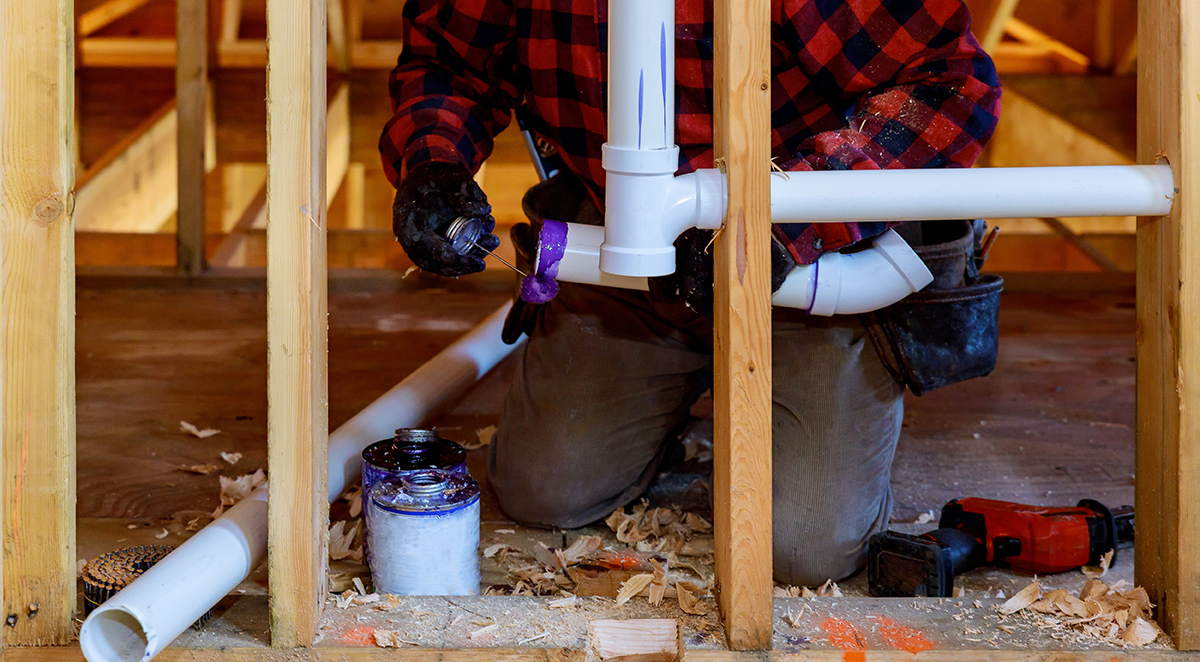
Undertaking a home remodel presents the perfect opportunity to address your plumbing system's health. If your home is older or showing signs of plumbing issues, considering a whole house repiping project alongside your renovation can save you time, money, and future headaches. At Barlow Plumbing Service, we've guided countless homeowners through this process during our 25+ years serving Western North Carolina.
Why Consider Whole House Repiping During a Remodel?
When you're already opening walls, replacing flooring, or updating fixtures, it makes logical and financial sense to examine your home's plumbing infrastructure. Whole house repiping involves replacing all the water supply pipes throughout your home—a significant undertaking that becomes considerably less invasive when coordinated with a planned remodel.
Many homeowners in Asheville, Black Mountain, and Weaverville living in older homes face challenges with aging plumbing systems. These can include corroded pipes, reduced water pressure, or contaminated water. Addressing these issues during your remodel can prevent emergency situations down the road and protect your newly renovated spaces from future water damage.
Signs Your Home Might Need Repiping During Remodeling
Before diving into what to expect during the repiping process, it's important to recognize whether your home truly needs this service. Here are key indicators that suggest a complete plumbing replacement might be necessary:
- Your home has older pipe materials – Homes with galvanized steel (common before the 1960s), polybutylene (used from the 1970s to 1990s), or lead pipes should prioritize repiping for both functionality and safety reasons
- Frequent leaks in multiple locations – If you're dealing with recurring leaks throughout your home, this suggests system-wide deterioration
- Discolored water – Rusty, yellow, or brown water indicates pipe corrosion
- Low water pressure throughout the home – Gradual decrease in pressure often points to internal pipe buildup
- Visible corrosion on exposed pipes – Flaking, dimpling, or discoloration on visible pipes suggests similar problems in hidden areas
- Strange taste or odor in your water – Metallic tastes or unusual smells might indicate pipe deterioration affecting water quality
If you've noticed several of these warning signs, incorporating a whole house repiping into your remodeling plans could be a wise decision.
The Whole House Repiping Process During a Remodel
Understanding what to expect during a complete plumbing replacement can help you prepare and make informed decisions. Here's a breakdown of the typical process when repiping is coordinated with a home remodel:
Initial Assessment and Planning
The process begins with a thorough assessment of your existing plumbing system. Our professional plumbers will:
- Evaluate your current pipe materials and their condition
- Identify the full scope of replacement needed
- Discuss material options for your new plumbing system
- Create a coordinated timeline that aligns with your remodeling schedule
- Provide a detailed estimate covering all aspects of the repiping project
This planning phase is critical for ensuring the repiping work integrates seamlessly with your broader renovation plans.
Choosing the Right Pipe Material
Selecting the appropriate pipe material is a crucial decision that will impact your home's plumbing performance for decades. During remodels, we typically recommend considering these options:
- Copper – Durable and long-lasting (70-80 years), copper resists corrosion and can handle high temperatures. While more expensive initially, its longevity often justifies the investment.
- PEX (Cross-linked Polyethylene) – Flexible, affordable, and resistant to freezing, PEX has become increasingly popular. Its flexibility reduces the need for joints and connections, lowering leak risks.
- CPVC (Chlorinated Polyvinyl Chloride) – This rigid plastic option offers good durability and heat resistance at a moderate cost.
Each material has specific advantages that might make it more suitable for your particular situation and budget. Our team can help you weigh these options in the context of your remodel.
Read our blog post about the essential plumbing considerations for basement remodels.
Preparation and Protection
Before any pipes are replaced, proper preparation is essential:
- Furniture and belongings in work areas will need protection from dust and debris
- Temporary water shutoff schedules will be established to minimize inconvenience
- Access points to plumbing in walls, ceilings, and floors will be coordinated with your remodeling contractor
- Water supply alternatives might be arranged for extended shutoff periods
The advantage of repiping during a remodel is that many walls or ceilings may already be opened, reducing the need for additional access points.
Read our essential plumbing guide for home owners here!
The Installation Process
The actual repiping work typically follows this sequence:
- Water system shutdown – We'll turn off your home's main water supply before beginning work
- Installation of new main lines – The primary supply lines are installed first
- Branch line installation – Smaller pipes that branch off to individual fixtures are installed next
- Fixture connections – All sinks, toilets, showers, and appliances are connected to the new system
- Pressure testing – The entire system is tested for leaks and proper pressure before walls are closed
- System flushing – Air and any debris are flushed from the lines
Throughout this process, our team works closely with your remodeling contractor to coordinate schedules, ensuring plumbing work happens at the optimal time in relation to other renovation activities.
Our blog post on green plumbing technology offers insight into new construction using energy and water efficiency.
Final Inspections and Completion
Once the new plumbing system is installed:
- Local building inspections will be conducted as required
- Final pressure and quality tests ensure everything functions properly
- We'll walk you through the new system, explaining any maintenance requirements
- All necessary documentation and warranties will be provided
Timeline: How Long Does Whole House Repiping Take During a Remodel?
The timeline for a complete plumbing replacement varies based on several factors, including:
- Size of your home
- Number of fixtures and appliances
- Complexity of your plumbing system
- Accessibility of existing pipes
- Coordination with other remodeling activities
For an average-sized home (approximately 1,500-2,000 square feet), repiping during a remodel typically takes about 3-5 days for the core installation work. However, this timeline may be extended or compressed depending on how it's integrated with your overall remodeling schedule.
Cost Considerations for Repiping During a Remodel
While every project is unique, repiping during a remodel can be more cost-effective than doing it as a standalone project later. Here are the main factors affecting the cost:
- Home size and layout – Larger homes with complex layouts naturally require more materials and labor
- Chosen pipe material – Copper is typically more expensive than PEX or CPVC
- Accessibility – If walls are already open due to remodeling, labor costs may be reduced
- Fixture connections – The number and type of fixtures being connected to new pipes
- Regional factors – Local building codes and permit requirements
The advantage of incorporating repiping into a remodel is that you can save on restoration costs (patching walls, repainting, etc.) since these elements are already part of your renovation plans.
Minimizing Disruption During the Repiping Process
Even when coordinated with a remodel, having your home's plumbing system replaced can cause some disruption. Here are strategies we implement to minimize inconvenience:
- Sectional work – Completing the project in sections to maintain water access to parts of your home
- Strategic scheduling – Planning water shutoffs during times that cause minimal disruption to your household
- Clear communication – Providing detailed schedules so you can plan accordingly
- Temporary accommodations – In some cases, suggesting temporary living arrangements during the most invasive phases
FAQ: Common Questions About Whole House Repiping During Remodels
How long will we be without water during the repiping process?
While the entire project may take several days, complete water shutoffs are typically limited to 8-10 hours per day. We strive to restore basic water service each evening, though full functionality might be limited until the project is complete.
Can we stay in our home during repiping?
Most homeowners can remain in their homes during the repiping process, especially when it's part of a larger remodel where alternative living arrangements might already be considered. However, there will be noise, some dust (despite containment efforts), and periods without water service.
Will repiping damage my newly remodeled areas?
When planned properly, repiping during a remodel should cause minimal additional disruption. By coordinating with your remodeling contractor, we can ensure plumbing work happens before finishes are applied to walls, floors, and ceilings.
Is a permit required for whole house repiping?
Yes, permits are typically required for whole house repiping projects in Western North Carolina. Our team handles all necessary permitting as part of our comprehensive service.
How long will my new plumbing system last?
The lifespan of your new plumbing system depends largely on the materials used:
- Copper pipes typically last 70-80 years
- PEX piping generally lasts 40-50 years
- CPVC has a typical lifespan of 50-75 years
Benefits of Choosing Barlow Plumbing for Your Repiping Project
With over 25 years of experience serving Asheville, Black Mountain, and Weaverville, Barlow Plumbing Service brings unparalleled expertise to your repiping project. Our team specializes in coordinating complex plumbing work with renovation projects, ensuring a seamless experience for homeowners.
When you choose us for your whole house repiping during a remodel, you benefit from:
- Expert coordination with your remodeling contractor
- Professional assessment and recommendations
- Transparent pricing and detailed project plans
- High-quality materials and workmanship
- Proper permitting and inspections
- Minimal disruption to your household
- Long-lasting results that protect your home investment
Planning Your Repiping Project
If you're considering a home remodel and your plumbing system shows signs of aging or deterioration, now is the time to explore whole house repiping options. Coordinating these projects can save you significant time and money while ensuring your newly renovated home has a plumbing system that matches its updated aesthetics.
Contact us today today to schedule a consultation. Our experienced team will assess your current plumbing system and help you determine whether repiping should be part of your upcoming remodel.